




01
Challenge
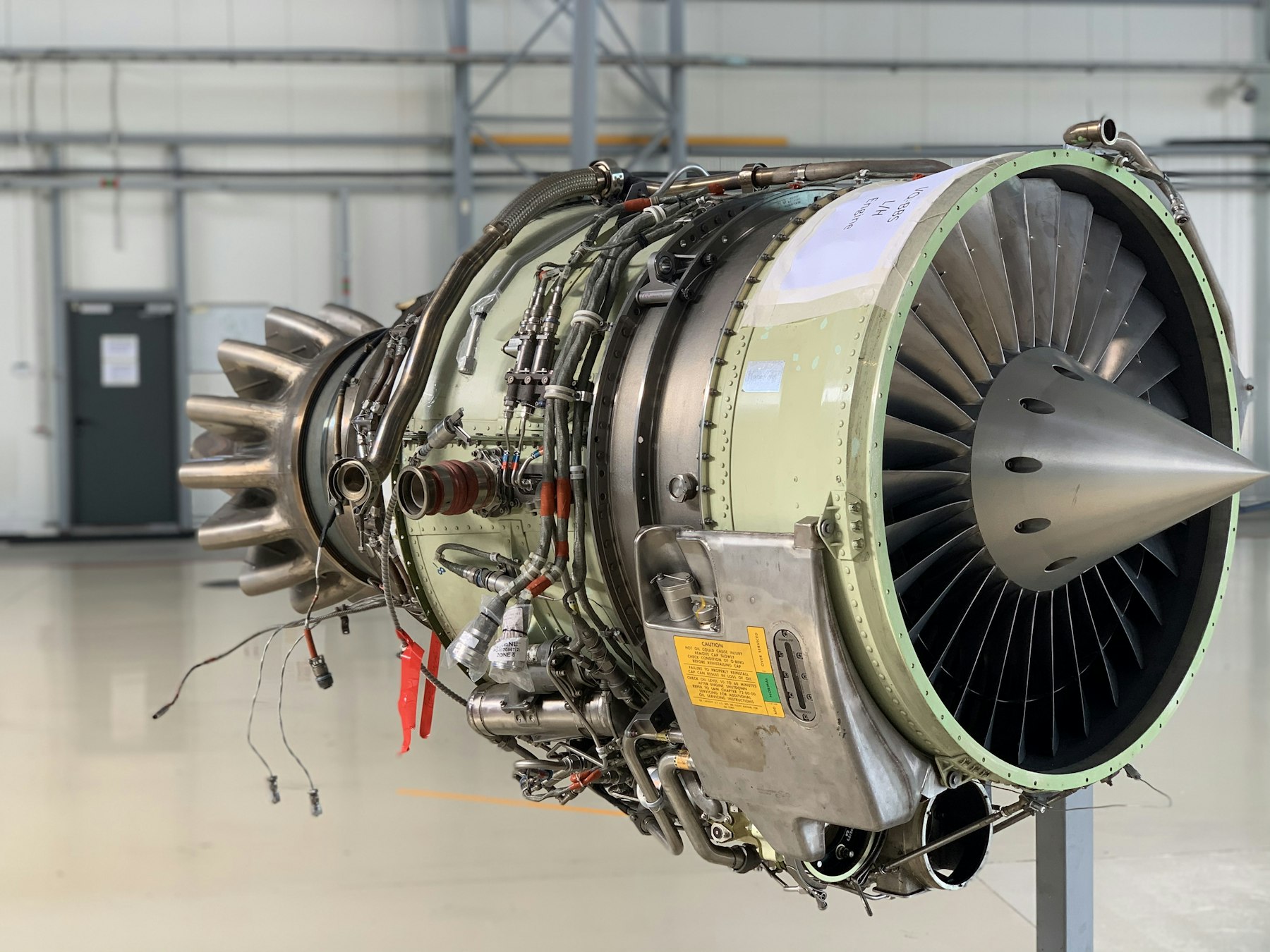
A Swedish aviation client uses a dedicated system to manage the full MRO process for aircraft nacelles, from RFQ to final delivery. The process includes intake of damaged parts, inspection findings, repair administration, photo documentation, checks and double checks, repair steps, and delivery handling.
The system supports high-volume operational work. The administration must be accurate, and each step has to be controlled because the work is done in an aviation context. Speed matters, but reliability and control matter more.
The existing application had been built by another company. It was slow, hard to develop, and written in Go, which did not fit the client’s long-term support and development needs. The client needed a team that could take over the system, improve performance, and build a stronger technical base without disrupting daily operations.
02
Implementation
Isatis took over the system and rebuilt it in .NET and Angular. The goal was to move the platform to a more supportable technology stack while keeping the business process intact.
Because the system is used in a safety-sensitive industry, the rewrite was handled with care. Changes were made with attention to correctness, traceability, and controlled delivery. The team also looked for performance issues and process improvements instead of only recreating the old system.
- Takeover of the existing Go codebase, rebuilt in .NET and Angular
- Core flows rebuilt: RFQ handling, damaged-part intake, findings registration, photo management, administrative checks, repair tracking and delivery
- Improved user experience for the main operational steps
- Attention to correctness, traceability and controlled delivery throughout
- Performance issues and process improvements addressed along the way
The next step is AI-supported functionality. This is being approached in the same way: using AI where it can speed up work and support users, while keeping human control, validation, and safety requirements in place.
03
Result
The client now has a faster and more maintainable MRO platform. The move to .NET and Angular gives the system a stronger technical base and makes future development easier to support.
Users benefit from better performance, smoother workflows, and faster handling of demanding administrative tasks. The system still supports the full flow from RFQ to delivery, but now runs on a cleaner architecture and is supported by a team that keeps improving it.
For the client, the result is more than a technical migration. They gained a reliable development partner, a more responsive system, and a controlled path for introducing AI into a high-precision aviation environment.