




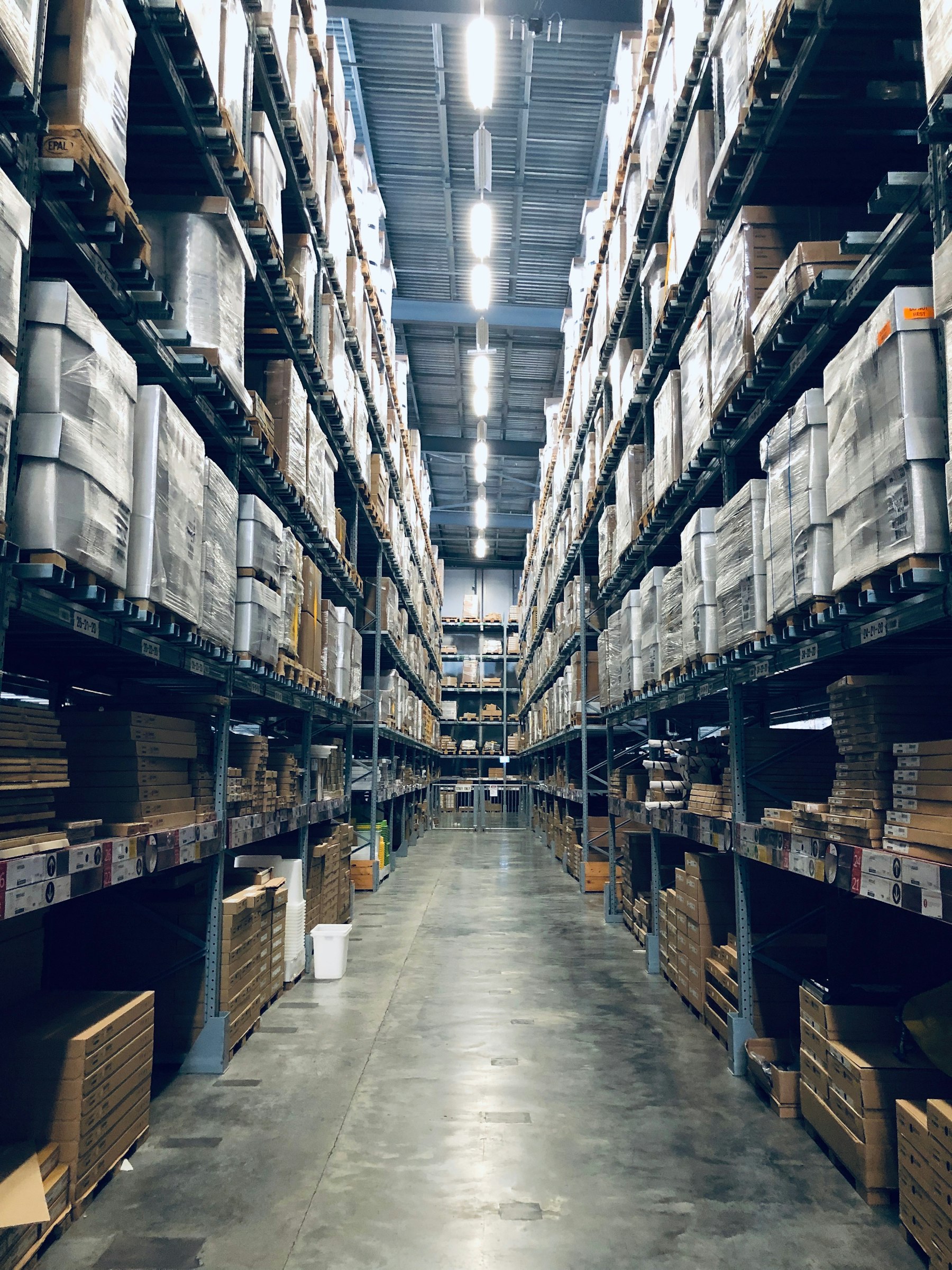
In Deron’s supply chain, RFID tags are used to track products and components. Until recently, these tags were applied by one of Deron’s suppliers, but the link between tag and product was only established later, during intake at Deron.
While that process worked, it added extra handling steps and complexity to the logistics chain. Together with the supplier, we set out to close that gap at the source.
The extra step in the chain
Every product arriving at Deron had to be identified, matched and registered before it could move on. The information existed at the supplier, and the tag was already on the product, but the two were not connected yet. That meant duplicated scanning, manual checks and a chain that was harder to trace end-to-end than it needed to be.
Linking tags at the source
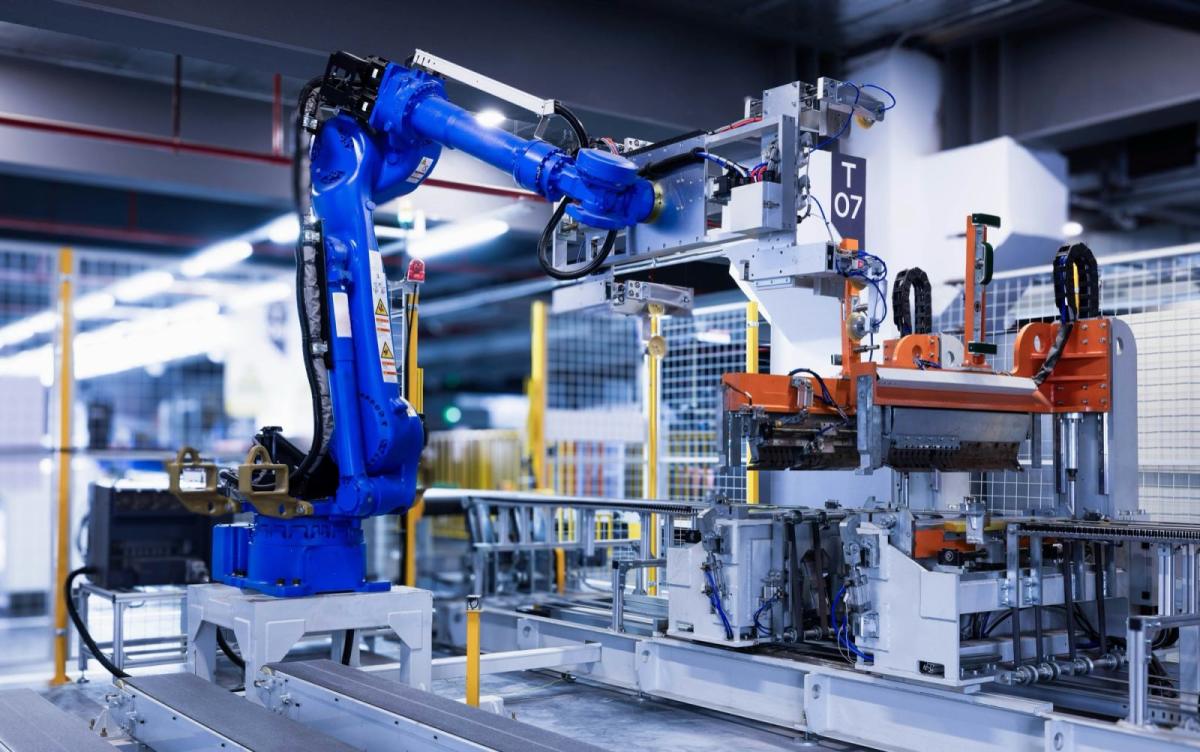
To streamline this, Isatis developed a dedicated software solution for the supplier, seamlessly integrated into their production process. Now, as items are produced, RFID tags are directly linked to both the supplier’s internal identifiers and Deron’s product catalog. The mapping happens once, at the moment the product exists, and travels with it from there.
What it delivers
Shifting the product-tag mapping upstream offers key advantages:
- Improved efficiency across supplier and client systems
- Real-time traceability from the point of production
- Less manual processing, leading to faster throughput
- Automatic ERP registration at the moment of production completion
It also reinforces the high standards required in healthcare-related supply chains, where knowing exactly where a product has been is not optional.
Next: the full manufacturing loop
The next step in this collaboration is to expand the system to cover full manufacturing workflows at the supplier, allowing finished products to be not only tagged and registered, but also fully processed within the supplier’s own environment.
That will remove even more steps from the supply chain, create cleaner handovers, and bring Deron closer to a fully connected, end-to-end production and logistics process. Read more of our cases or schedule a call to talk supply chains.