01
Assessment and strategy
Legacy modernization is moving an ageing application to current technology in phases, while the business logic, data and daily operations it supports stay intact. Older software often becomes hard to maintain, extend or secure. We start with an honest look: what still works well, what costs you time and risk, and where modernisation will have the most impact.
The result is a phased plan, prioritised by business risk and technical debt, with no big-bang rewrite. Every step delivers working software you can use.
At ST Engineering, our assessment showed that the existing business logic was limited and only partly reusable. So instead of a straight migration, we kept what still had value, rewrote the software around a modern architecture and then added a lot of new functionality. The software was faster right away, and it is now easier to keep developing. The project is still running.
02
Incremental migration
We migrate component by component, so old and new run side by side and every stage can be rolled back. Your teams keep working with familiar tools while we replace the technology underneath.
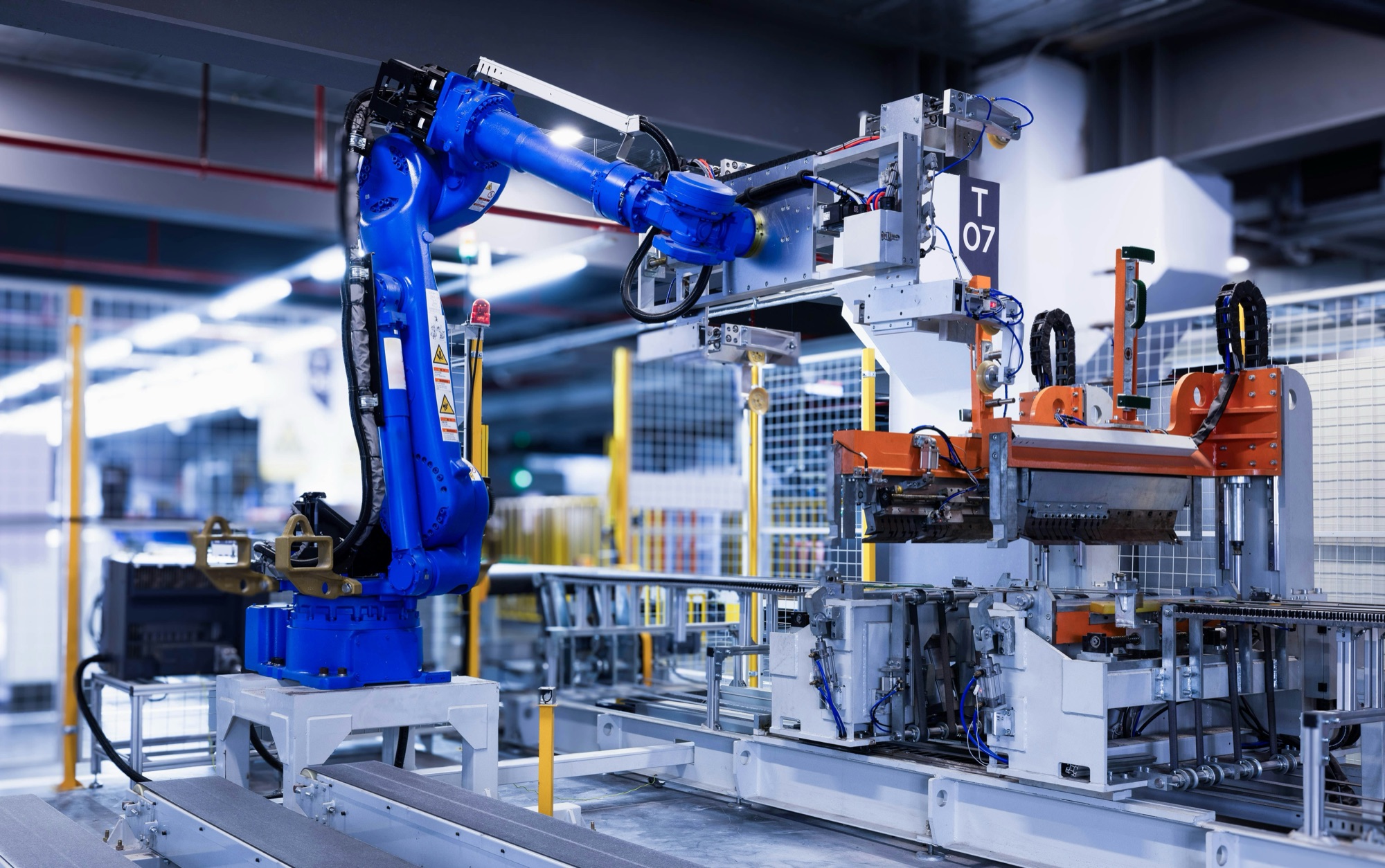
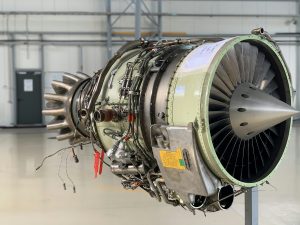
Production cannot stop for a software rollout, so we work in steps that can each be rolled back. For ST Engineering we rebuilt an MRO platform for aircraft nacelle repairs in .NET and Angular while the repair process kept running.
03
Preserving business logic
We extract the rules from the old system, document them and carry them into the new architecture, then prove with automated tests against the legacy behaviour that the new system does what the old one did. Your domain experts validate each rule with our engineers before anything switches over.
Legacy systems often hold years of undocumented business logic. For Ignite Group we rebuilt a subsidy administration platform built by another party on a modern stack, carrying dashboards, document storage, task flows, reporting and authentication forward with the core functionality intact.
04
Future-proof architecture, with AI where it helps
The goal is a system that will not become legacy again in five years. Proven technologies, clean architecture and a design your own team can keep developing long after we are done. Security, performance and compliance are part of the modernisation itself.
AI-supported analysis speeds up the understanding of undocumented behaviour in legacy code and parts of the implementation work, as it did in the Ignite Group rebuild. Developers remain responsible for architecture, validation and delivery quality; nothing AI produces reaches production unchecked.